
Dear Family, Friends, and Colleagues,
We hope you’re enjoying the summer and have found plenty of opportunities to stay active. As we wrap up the season, we are excited to share highlights from our recent activities, upcoming events, and tips to stay healthy!
Manhattan Medical Immersion Programs
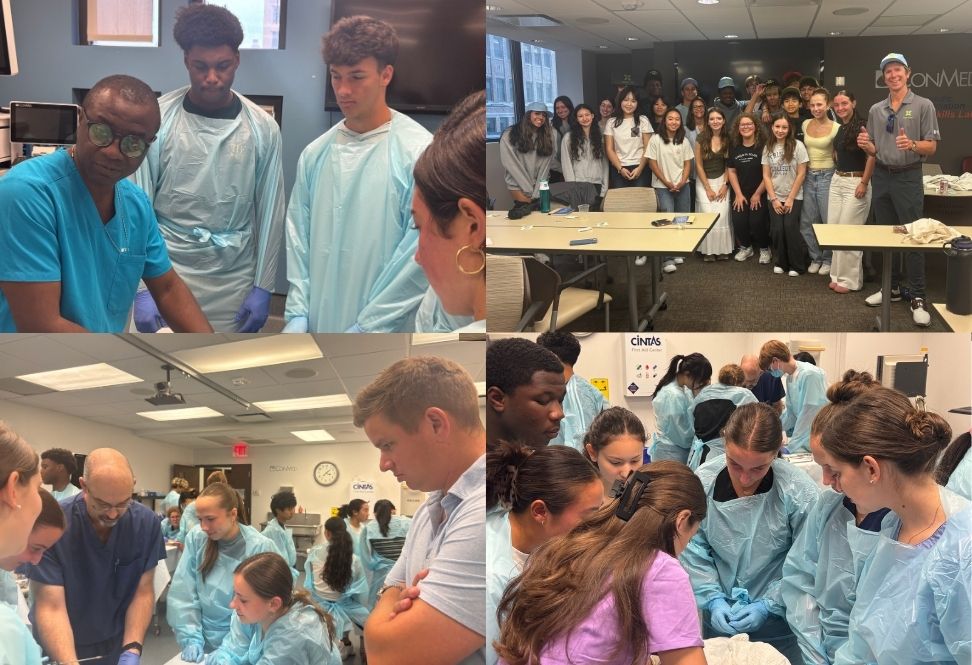
The Orthopaedic Foundation was thrilled to welcome students from across the country for our Summer 2026 Manhattan Medical Immersion High School Program, which concluded in July. Throughout the week, participants gained firsthand exposure to medicine through physician-led lectures, hands-on cadaver training, and interactive experiences spanning a wide range of medical and surgical specialties. We are incredibly grateful to our dedicated faculty, staff, and students for making this year’s program an outstanding success.
This week, we welcome our Summer 2026 Manhattan Medical Immersion College Cohort of aspiring healthcare professionals for another immersive educational experience that combines anatomy, procedural skills, mentorship, and career exploration.
For more information on upcoming programs, visit our program website.
Celebrating Student Achievement
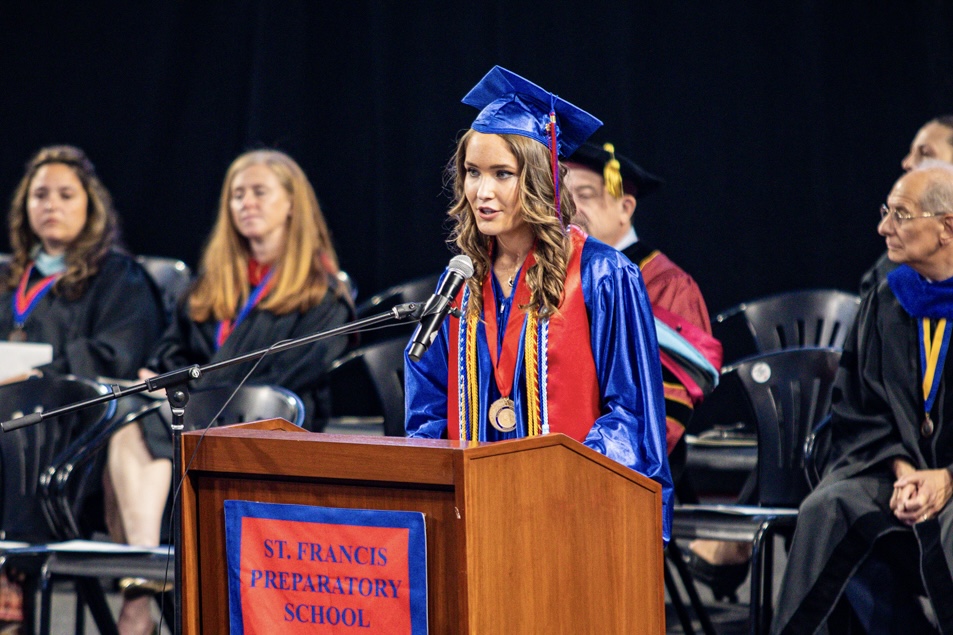
One of the greatest rewards of our Manhattan Medical Immersion Programs is hearing from former participants as they continue their academic journey. We were delighted to learn that one of our past students, Emma Truszkowski, has been accepted to Johns Hopkins University, where she will study Neuroscience this fall.
We are incredibly proud of her accomplishment and are honored that she credits her experience in our program as part of her journey. Emma, we wish you continued success in the years ahead!
To the Orthopaedic Foundation –
I wanted to share some exciting news!
I was accepted to Johns Hopkins University, where I’ll be majoring in Neuroscience this fall.
I truly believe that the Manhattan Medical Immersion Program played a role in helping me get there. In fact, I wrote about that experience in my college essay because it had such a meaningful impact on me and helped shape my interest in medicine.
Thank you again for providing me with an opportunity that became such an important part of my journey. I hope you’ll continue offering the camp in the years ahead so it can inspire and influence other students the way it did for me.
The program was truly an amazing experience and played an important role in shaping my academic journey. It gave me valuable insight into the medical field, strengthened my passion for neuroscience, and provided experiences that I was able to reflect on in my college essays. I genuinely believe it helped me grow both academically and personally.
Thank you again for all that you do to inspire and support students!
– Emma Truszkowski
22nd Anniversary Celebration
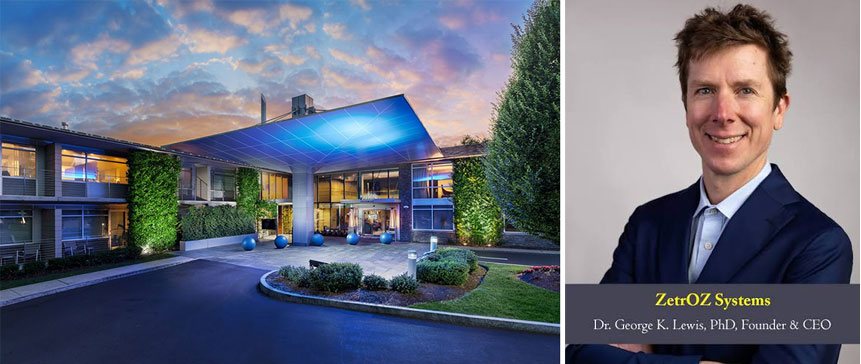
The Orthopaedic Foundation is proud to host our 22nd Anniversary Celebration! This year’s event will be held on Sunday, November 15, 2026, featuring a commemorative dinner at Tony’s at the J House in beautiful Greenwich, CT.
This year, we will be honoring Dr. George Lewis, founder and CEO of ZetrOZ Systems. He is a pioneering innovator whose groundbreaking work in therapeutic ultrasound is transforming patient care around the world. The evening will also be emceed by Jonny Loquasto, a nationally recognized television host, comedian, broadcaster, and licensed physical therapist. Jonny brings a unique perspective that bridges wellness, education, and entertainment, making him an ideal host for this special celebration.
For tickets or more information, please contact Janine Bahar by email (jbahar@ofals.org) or phone (203) 869-2002.
“The Drop In” — A Monthly Hands-on Anatomy & Bioskills Club
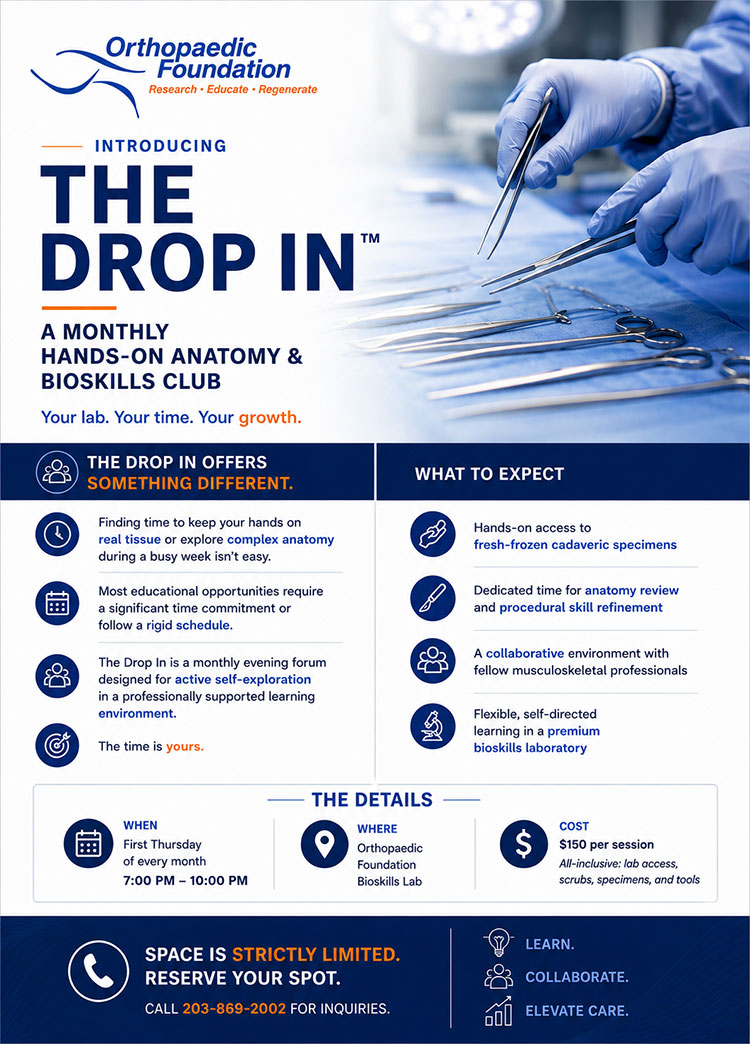
Your lab. Your time. Your growth.
The Drop In offers something different:
- Finding time to keep your hands on real tissue or explore complex anatomy during a busy week isn’t easy.
- Most educational opportunities require a significant time commitment or follow a rigid schedule.
- The Drop In is a monthly evening forum designed for active self-exploration in a professionally supported learning environment.
- The time is yours.
What to expect:
- Hands-on access to fresh-frozen cadaveric specimens
- Dedicated time for anatomy review and procedural skill refinement
- A collaborative environment with fellow musculoskeletal professionals
- Flexible, self-directed learning in a premium bioskills laboratory
The details:
- When: First Thursday of every month, 7:00 PM – 10:00 PM
- Where: Orthopaedic Foundation Bioskills Lab
- Cost: $150 per session (all-inclusive: lab access, scrubs, specimens, and tools)
Space is strictly limited. Reserve your spot — call 203-869-2002 for inquiries.
Plan Your Next Lab Today!
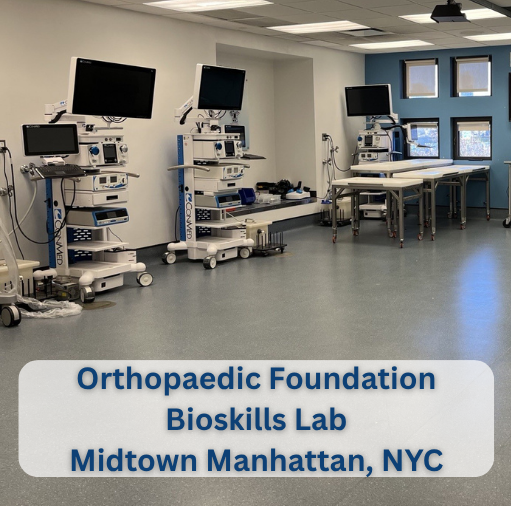
Orthopaedic Foundation Bioskills Lab — Midtown Manhattan, NYC
When planning a cadaver training program, the right environment matters.
At the Orthopaedic Foundation Bioskills Lab, our standalone facility is designed to provide a private, professional, and highly accommodating experience for surgeons, medical teams, and industry partners.
- A closed-door environment that protects intellectual property, new techniques, and product development
- Dedicated scheduling with no interruptions from live clinical cases or emergency procedures
- Full service logistics support, including tissue coordination, instrument packing, equipment shipping, and disposal
- A respectful, discreet setting focused entirely on research, education, and training
- Flexible options for photography, video, and educational content capture
- AV capabilities, various catering options, and thoughtfully designed event experiences tailored to your program
- Convenient access to transit, airports, hotels, dining, and entertainment in the heart of New York City
Located in East Midtown Manhattan, our facility is just minutes from Grand Central Terminal and close to leading institutions like Hospital for Special Surgery and NYU Langone Health.
From planning and logistics to training and hospitality, our team is here to make every program seamless from start to finish.
Planning upcoming labs? We welcome the opportunity to support your next program.
Reserve your spot now: https://ofals.org/bioskills-lab/
Research Spotlight
Previous Knee Procedures May Increase Risk of Repeat Revision Surgery
Why it matters
Stiffness after total knee replacement, known as arthrofibrosis, can be a challenging complication that sometimes requires additional procedures to restore motion. New research from the Orthopaedic Foundation provides important insights into how these earlier treatments may affect outcomes if a patient later requires revision knee replacement surgery.
What the study found
Researchers analyzed data from thousands of patients in a large national database to determine whether individuals who had undergone manipulation under anesthesia (MUA) and/or lysis of adhesions (LOA) before a revision total knee arthroplasty (TKA) were at greater risk for needing another revision surgery.
After carefully matching patients with similar medical characteristics, the researchers found that those with a history of MUA and/or LOA had a significantly higher likelihood of requiring another revision knee replacement within five years.
Key findings
- Higher risk of repeat surgery: About 20% of patients who previously underwent MUA and/or LOA required another revision knee replacement within five years, compared with 14% of similar patients without those prior procedures.
- Additional risk factors: Older age, a greater number of underlying medical conditions, and a history of MUA/LOA were all associated with an increased risk of repeat revision surgery.
- No increase in major complications: Rates of infection, hospital readmission, blood clots, blood transfusion, and acute kidney injury were similar between the two groups.
Why this research is important
Understanding which patients are at greater risk for repeat revision surgery helps surgeons better counsel patients, set realistic expectations, and make more informed treatment decisions. These findings also underscore the need for continued research to improve the prevention and treatment of arthrofibrosis following knee replacement.
Plancher KD, Schwartz E, Mannina C, Briggs KK, Petterson SC. Manipulation under anaesthesia and/or lysis of adhesions prior to revision total knee arthroplasty increases the risk of subsequent revision. Knee Surg Sports Traumatol Arthrosc. 2025 Dec 7. doi: 10.1002/ksa.70211.
Healthy Aging
Moving Well, Living Well: A Physical Therapist’s Perspective on Healthy Aging
By DéShawn J. Fairbairn, DPT
As physical therapists, we have a unique vantage point. We see the human body across its intricate lifespan — the teenage athlete recovering from an ACL tear, the working professional managing chronic low back pain, and the retiree determined to continue gardening, traveling, or playing with grandchildren without fear of falling. Across my career in acute care, outpatient orthopaedics, and now academic teaching, one truth has remained constant: aging well is not about avoiding decline. It is about staying engaged with movement long before decline becomes a concern.
Many people wait until a fall, a fracture, or a diagnosis to think seriously about their physical function. By then, we are often playing catch-up against muscle loss, balance deficits, and cardiovascular deconditioning that have been quietly accumulating for years. The encouraging truth is that the body remains remarkably responsive to appropriate loading and movement at every stage of life. Research consistently shows that strength training, balance work, and cardiovascular conditioning can meaningfully improve function even in adults well into their eighties and nineties.
Three principles guide how I think about healthy aging for the patients and communities I serve:
First, strength is medicine. Sarcopenia — the gradual loss of muscle mass with age — is not inevitable. Resistance training, even at modest intensities and with appropriate progression, preserves the strength needed for everyday tasks: rising from a chair, climbing stairs, carrying groceries. Strength training is one of the most effective interventions we have for maintaining independence.
Second, balance is trainable. Falls remain one of the most significant threats to independence in older adults, yet balance is a skill that responds to practice just like any other. Simple, consistent balance exercises, such as creating obstacle courses that replicate real-world scenarios, performed safely and progressively, meaningfully reduce fall risk. This is not about elaborate equipment. It is about consistency and appropriate challenge.
Third, movement variety matters more than perfection. A daily walk is valuable. So is gardening, dancing, swimming, or playing with grandchildren on the floor. The nervous system and musculoskeletal system both benefit from varied movement patterns, not just repetitive single activities. Encouraging older adults to move in different ways — not just more, but differently — builds resilience against the specific deficits that come from doing the same motion repeatedly.
What I want every reader of this newsletter to take from these principles is simple: you do not need to wait for a problem to invest in your physical function. Whether you are sixty or ninety, your body can adapt, strengthen, and improve its capacity with the right approach. Physical therapists are trained precisely to help you find that right approach safely, whether you are managing an existing condition or simply want to move through your later decades with confidence and freedom.
Aging is not something to fear. It is something to prepare for, actively and intentionally. The work begins with movement — today, not someday.
DéShawn J. Fairbairn, DPT, is an Assistant Professor of Practice at University of Tennessee Chattanooga, with clinical experience across acute care, outpatient orthopaedics, and amputee rehabilitation.
We hope you enjoyed this Newsletter, and we thank you for your continued generous support. Stay active and healthy!
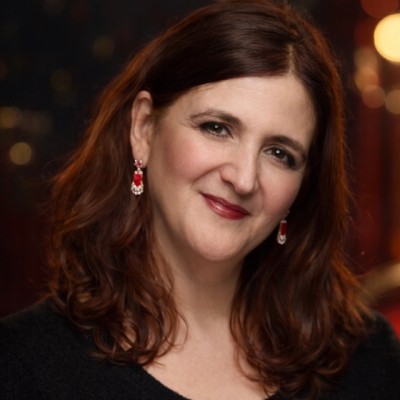
Best wishes,
Janine Bahar
Executive Director